2026-11-08
Changwon Sebaceous Cyst: Checking the Causes and Worries About Recurrence
Small lumps on the neck may be sebaceous cysts. Learn why they recur, why squeezing is risky, and how complete removal of the sac helps prevent recurrence.


A small lump you can feel on your neck may not seem like a big deal at first. Since it doesn't hurt and looks like a simple skin problem, many people assume it will go away on its own over time. However, if it doesn't shrink after a while, or instead keeps growing and sometimes comes with swelling or pain, it's worth considering a cause other than a simple skin issue. If these symptoms appear at the back of the neck, a Changwon sebaceous cyst is also a possibility to consider.
The neck is an area that moves a lot in daily life and is easily exposed to external irritation. Repeated irritation from factors such as clothing collars, necklaces, and friction against hair can make even a small lesion feel quite uncomfortable. So rather than ignoring it just because it isn't noticeable, it's important to keep a close eye on how it changes.
A sebaceous cyst is a type of benign tumor that forms when the duct of a sebaceous gland in the skin becomes blocked. Normally, sebum and dead skin cells are expelled to the surface of the skin, but when a pore becomes clogged, they build up beneath the skin and form a pocket-like structure. This structure is what is known as a Changwon sebaceous cyst, and as time passes, its contents keep accumulating inside, causing it to grow larger.
The neck tends to sweat more than other areas and is an environment where external irritation can easily recur. Constant friction from shirt collars, scarves, and accessories can be a factor that clogs pores. Add cumulative fatigue, weakened immunity, frequent shaving, or other skin irritation, and sebum and waste may not be expelled smoothly, which raises the likelihood of a cyst forming.
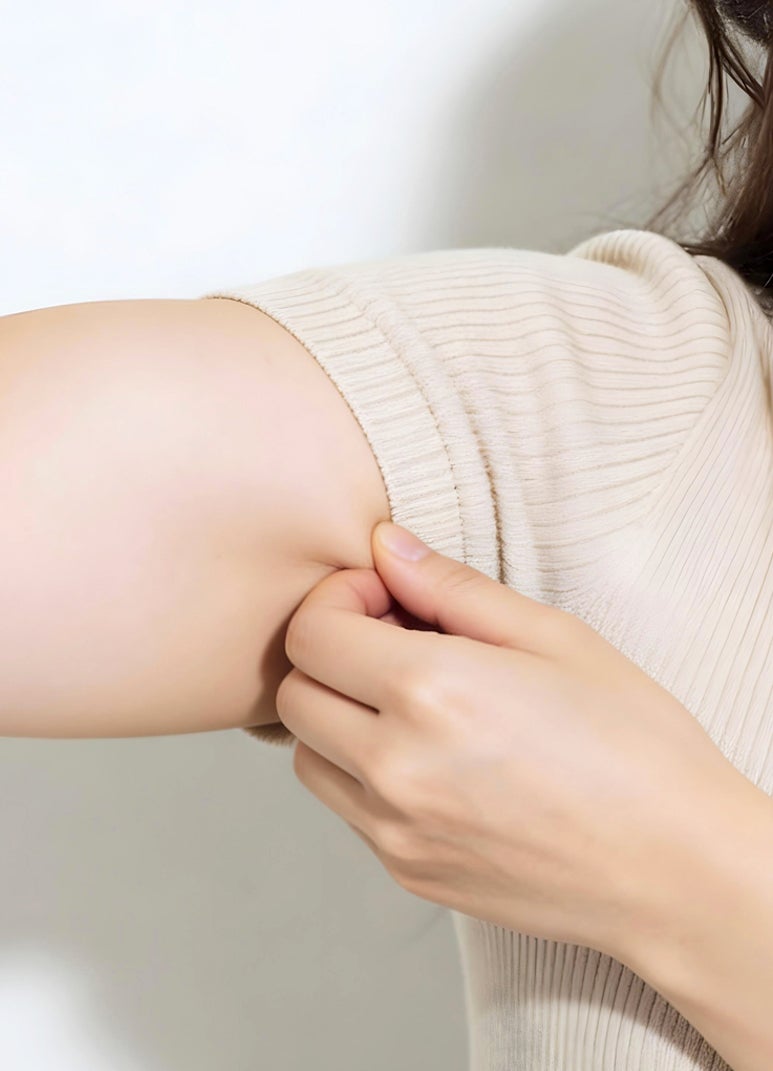
In the early stages, it can be felt as a small lump beneath the skin, and in most cases it doesn't hurt or cause much discomfort. It may feel soft or slightly firm to the touch, and it may not be very noticeable from the outside. However, as waste matter continues to build up inside over time, it gradually grows larger, and the skin may feel tight and stretched, creating a feeling of something foreign there.
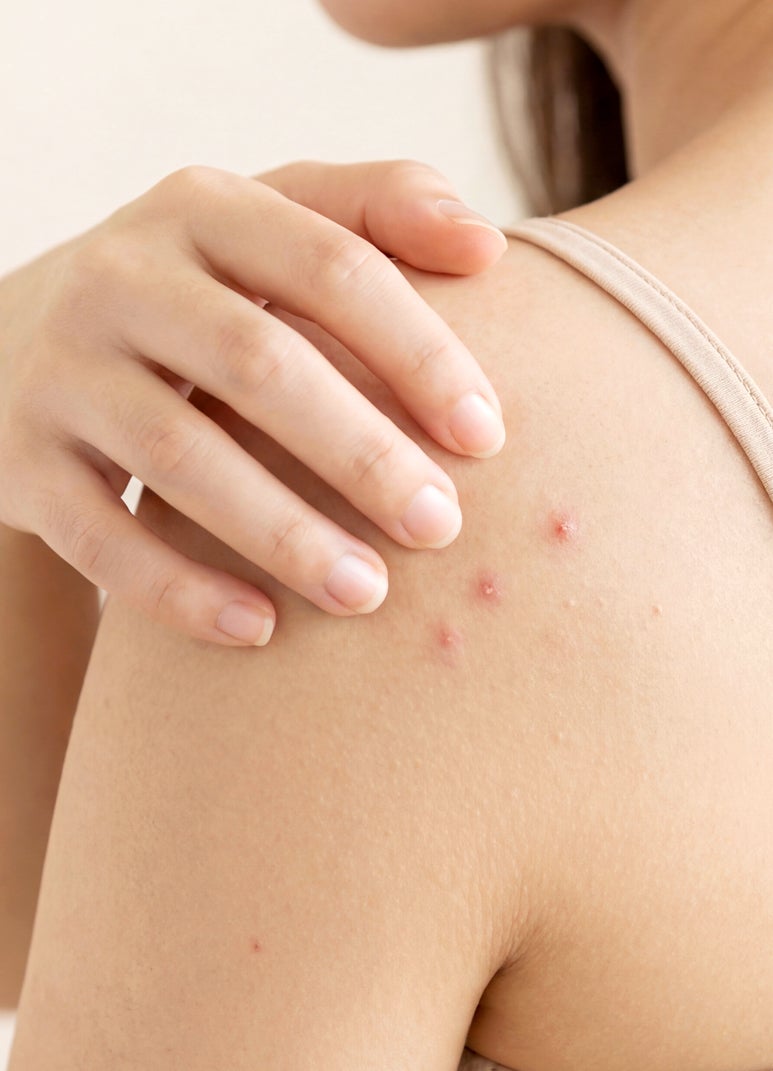
Symptoms of a Changwon sebaceous cyst become even more pronounced when inflammation is involved. The area may turn red and feel warm, pain may occur when pressed, and in severe cases pus can collect inside, causing tenderness to worsen and daily life to become more uncomfortable. Since the neck is a relatively visible area, it is not uncommon for the condition to lead to appearance-related stress.
It's also worth noting that this kind of lesion rarely disappears completely on its own. Some people try to squeeze the contents out by hand, but this is not a real solution. Because the pouch-like wall surrounding the cyst remains intact, sebum will refill it over time and the cyst will recur.
In fact, forcing the cyst to be squeezed can worsen inflammation or lead to a bacterial infection, and it may affect the surrounding tissue and cause bigger problems. Repeated irritation also raises the likelihood of leaving a scar, so it's best to avoid self-treatment.
Among treatment options, the most widely known is surgical excision of a Changwon sebaceous cyst. Simply draining the contents isn't enough; the sac surrounding the lesion must be removed as well to lower the risk of recurrence. Surgery is usually performed under local anesthesia and is often completed in a relatively short time.
If there is no inflammation, the cyst can be removed fairly easily. However, if inflammation has already progressed significantly, it's best to first treat the inflammation and then plan surgery. The incision range and surgical method may vary depending on the size and depth of the cyst, and precise suturing that takes the skin layers into account is important for minimizing scarring.
After surgery, swelling, bruising, and pain may occur temporarily, but they usually improve gradually over time. During recovery, it's important to keep the surgical site clean, and until the stitches are removed, avoid excessive irritation or friction on the area. Reducing sun exposure and following your medical team's aftercare instructions can also help minimize scarring from Changwon sebaceous cyst removal.
A sebaceous cyst on the back of the neck is a fairly common condition, but if left untreated, it can grow larger or cause discomfort due to inflammation. Since the removal process can become more complicated the longer it's left alone, early action is important. If you keep feeling a lump on your neck or notice it getting bigger, don't delay. It's best to visit a Changwon sebaceous cyst removal clinic for an accurate diagnosis.
Treating it at the right time can not only ease the burden of recovery but also lead to a cleaner result. Rather than brushing off even small changes, paying close attention to your body and taking appropriate action when needed can play an important role in protecting your health.




















Frequently Asked Questions
Could a lump felt on the neck be a sebaceous cyst?
Yes, if the lump is on the back of the neck, it could be a sebaceous cyst. Because it doesn't hurt, it's easy to mistake it for a simple skin problem. However, if it doesn't shrink, keeps growing, or comes with swelling or pain, it's a good idea to look into other possible causes as well.
Is it okay to squeeze a sebaceous cyst lump by hand?
No, self-treatment by squeezing it by hand is not recommended. It does not address the root cause, and because the pouch structure remains, sebum can refill it over time and the cyst may recur. Forcing it to drain can lead to worsened inflammation or a bacterial infection.
How is a sebaceous cyst removed?
Surgical removal is the most widely known treatment method, and it is usually performed under local anesthesia in a relatively short amount of time. To reduce the risk of recurrence, the sac surrounding the lesion must be removed along with its contents, not just drained.
What should I be careful about during recovery after sebaceous cyst surgery?
It's important to keep the surgical area clean and avoid excessive irritation or friction until the stitches are removed. Swelling, bruising, and pain may appear temporarily, but they usually improve over time. Reducing sun exposure can also help with scar management.
Does a sebaceous cyst go away on its own?
It is rare for a sebaceous cyst to disappear completely on its own. If left untreated, it can grow larger or cause discomfort due to inflammation, and the removal process can become more complicated over time, so early action is important.
What symptoms appear when a sebaceous cyst becomes inflamed?
The area may turn red and feel warm, and pain may occur when pressed. In severe cases, pus can collect inside, causing tenderness to worsen and making daily life more uncomfortable.