2026-10-28
Gimhae Lower Blepharoplasty: Characteristics of Under-Eye Sagging by Type
Explains how under-eye fat bulging, hollowing, and skin laxity differ, and why tailored diagnosis matters when planning Gimhae lower blepharoplasty.
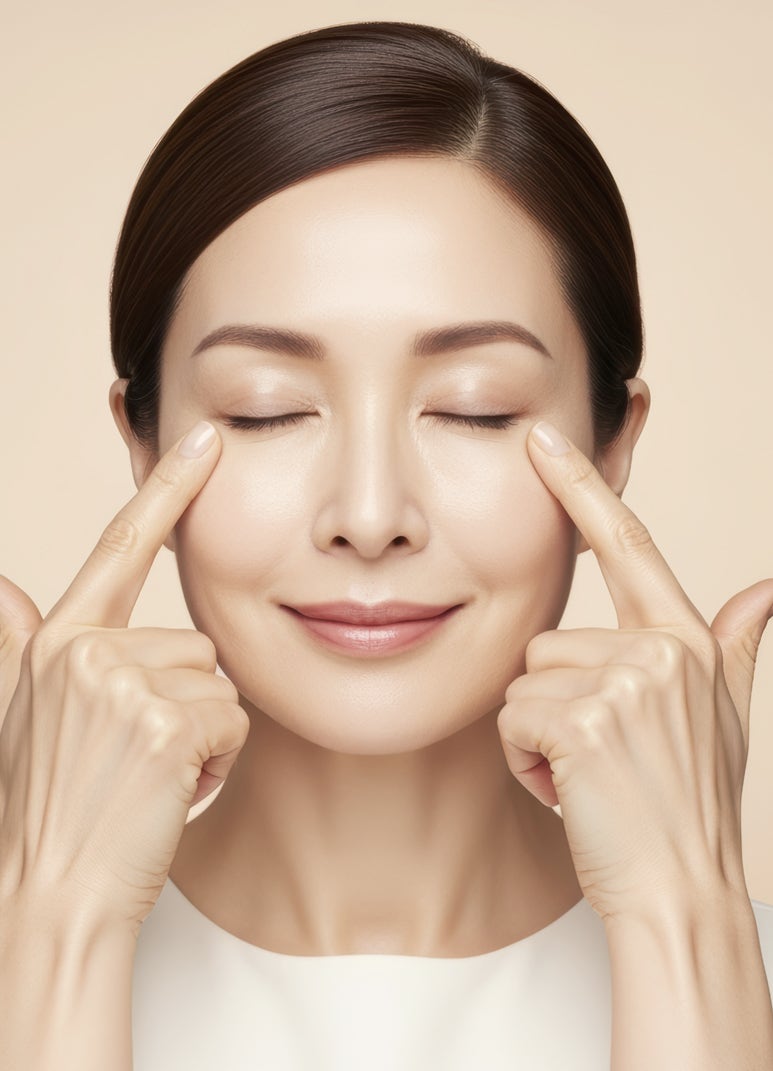


In middle age, everyone goes through a range of physical changes. Skin loses its elasticity, fine lines increase, and it becomes easy to look more tired or older than before. How and when these changes begin, and how fast they progress, can vary depending on skin type, lifestyle habits, sun exposure, and daily skincare routine. Among them, the eye area is widely regarded as the first place on the face where aging becomes visible.
Because the skin around the eyes is thin and constantly moving, it is especially susceptible to the effects of aging. The area folds repeatedly with every expression and smile, so fine lines form easily. Over time, reduced elasticity can cause the skin to droop or the under-eye area to look puffy. Since the eyes are difficult to conceal, these changes often become a source of stress.
What may begin as fine lines around the eyes or mild sagging can gradually lead to loosening eyelid skin and more prominent under-eye fat, making the overall impression look heavier. In severe cases, the tear trough deepens and dark circles look more pronounced, and the eyelids may partially obstruct vision, causing functional discomfort. Because these changes can affect daily life beyond simply looking older, people often start considering more proactive ways to improve them.
One of the most commonly chosen procedures in these cases is Gimhae lower blepharoplasty. Lower blepharoplasty is a surgery that addresses lower eyelid sagging, loose skin, bulging fat pads, and the tear trough together. Rather than simply tightening the skin, it examines the structural issues beneath the lower eyelid, so more natural and stable results can be expected.
Under-eye fat bulging is not simply the result of having too much fat. As the orbital septum, the structure that supports the area around the eye, weakens, the fat is pushed out and downward, while the area beneath it relatively sinks in, creating a more defined border. As a result, the under-eye area looks puffy while the area below looks hollow, which can create an aged appearance. Therefore, when considering Gimhae lower blepharoplasty or under-eye fat repositioning, it is advisable to look not only at the protruding area but also at hollowing, sagging, and skin elasticity.
Aging affects everyone, but the way it progresses differs from person to person. For some, under-eye fat bulging is more pronounced; for others, under-eye hollowing is more severe; and for still others, lower eyelid sagging is the primary concern. Based on these differences, Gimhae lower blepharoplasty can be tailored to each case. Rather than using a one-size-fits-all approach, an accurate assessment of the individual's condition and a customized plan are key to higher satisfaction. Only by comprehensively considering fat volume, extra skin, muscle strength, the depth of the tear trough, the direction of the outer eye corner, and the overall balance around the eyes can a natural result be achieved.

One thing many people tend to overlook is the aegyosal, the soft fullness under the eye that appears naturally when smiling. To achieve a brighter and younger-looking impression, the under-eye area should be smoothed out while the aegyosal is preserved so it still puffs up naturally when you smile. Therefore, when planning Gimhae lower blepharoplasty, it is important to go beyond simply removing or repositioning fat and to design the plan with the volume of the aegyosal and the contour of the under-eye line in harmony.
Under-eye fat repositioning can help restore volume in hollowed areas, but if it only involves moving the fat, the results may fade or recur over time. For more stable outcomes, it is necessary to also reinforce the support structures beneath the eye. Depending on the clinic, some take a combined approach that considers the orbital septum, the orbicularis oculi muscle, and lateral canthal fixation to improve the stability of the lower eyelid line. This kind of meticulous approach can help prevent lower eyelid eversion and re-sagging.

Eye surgery in middle age is not simply about looking younger. It is a procedure that tidies up sagging eye areas, reduces functional discomfort, and shifts the overall impression toward something softer and more composed. So rather than viewing it as purely cosmetic, it is more accurate to understand it as a precise surgery that improves the structure around the eyes and the signs of aging.
When considering surgery, the first thing to check is the experience and diagnostic skill of the medical team. Even for the same lower blepharoplasty, the approach differs depending on whether the main issue is under-eye fat protrusion, greater hollowing, or skin sagging as the primary cause. Also, because the under-eye area is extremely delicate, it is important to consult a surgical team with substantial experience and a solid understanding of anatomy.
When choosing a clinic, it is best not to decide based solely on name recognition or a lower price. Take a close look at before-and-after cases and check how eye aging was improved in patients with a similar type of concern to yours. During consultations, be sure to explain your main concerns, which changes bother you the most, and whether you experience any functional discomfort, so that a more accurate plan can be developed.

Even if surgery is performed well, excessive strain during recovery can leave behind swelling, inflammation, or scarring. After surgery, follow your medical team's instructions, get plenty of rest, and attend regular check-ups and aftercare. Since satisfaction in the eye area can vary greatly depending on how well you recover, aftercare is just as important as the surgery itself.
Gimhae lower blepharoplasty goes beyond simply tidying the lower eyelid. It can help improve signs of aging across the entire eye area, creating a fresher and more defined appearance. Depending on the structure around each person's eyes and the degree of aging, procedures such as lower blepharoplasty, under-eye fat repositioning, upper blepharoplasty, and brow lift may be considered together, which can lead to more harmonious and natural-looking results.
If changes around your eyes have started to bother you, it is important not to rely solely on makeup or temporary care. Instead, get an accurate assessment of your current condition and find the approach that suits you. Gimhae lower blepharoplasty can address both a natural, youthful look and functional comfort, so it is advisable to make a careful decision based on thorough consultation and precise analysis.