2026-11-13
Revision Surgery for Multiple Eyelid Folds: Causes of Upper Eyelid Hollowing and Fat Transfer
Multiple eyelid folds and upper eyelid hollowing after double eyelid surgery often come from damage to the gliding layer. Fat transfer revision restores it.
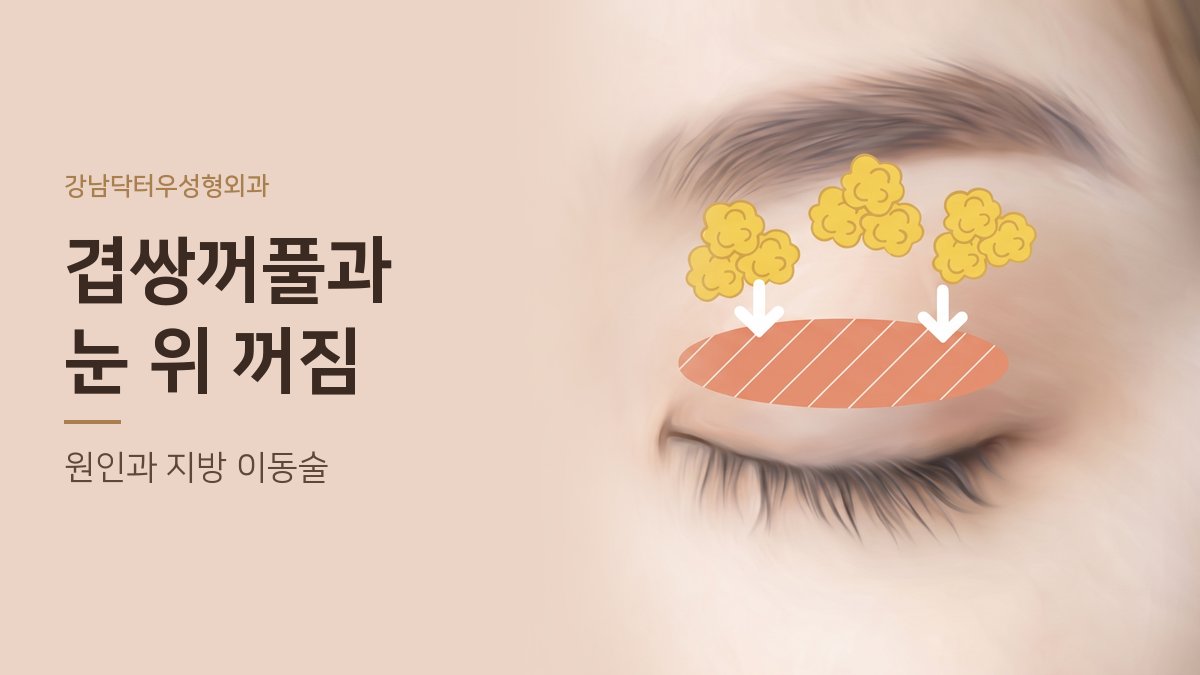
“
My eyelid creases have folded into several lines, and the area above my eyes has caved in.
It also feels stiff when I open my eyes.
After double eyelid surgery, unintended multiple creases can form and the upper eyelid may sink. A representative cause of multiple eyelid folds is damage to the fat gliding layer inside the eyelid.
Why Do Multiple Eyelid Folds and Upper Eyelid Hollowing Occur?
Between the skin and muscle layers of the eyelid and the muscle that opens the eye, there is a layer of fat. Thanks to this fat, the two layers glide smoothly when you open your eyes. This gliding surface is called the gliding layer.
In a previous surgery, if too much fat is removed or extensive scarring develops, this layer becomes damaged. The skin then adheres directly to the underlying eye-opening muscle, creating multiple unwanted creases. Upper eyelid hollowing can also occur with aging, but domestic reports indicate that excessive fat removal during double eyelid surgery is a frequent cause.
The following changes may appear together.
- · The eyelid area looks sunken, and the skin appears stuck to the tissue beneath.
- · Opening the eyes feels stiff and heavy.
- · The crease does not fold cleanly and instead forms multiple lines.
- · The front part of the crease may look faint, or the eyelid may appear droopy.
How Is It Corrected?
The key to multiple eyelid fold revision is rebuilding the damaged gliding layer in its proper place. At Gangnam Doctor Woo Plastic Surgery, fat transfer is performed in the following sequence.
• ① Releasing Adhesions
The skin adhered to the tissue beneath is freed.
• ② Trimming Scar Tissue
Only the scar tissue in the affected area is trimmed, not removed entirely. This scar tissue (heunsal) is the fibrous tissue that forms deep inside after surgery.
• ③ Repositioning Fat
The remaining fat is moved into the damaged area, and the membrane that encloses the fat (septum) is reinforced.

The three steps of fat transfer are shown in order. The hatched areas indicate scar tissue. Illustration for explanation purposes (AI-assisted).
Depending on the condition, aponeurosis extension may also be performed. This procedure lengthens the membrane (aponeurosis) at the end of the eye-opening muscle near the inner corner of the eye (the nose side). If the eye-opening strength is weak, ptosis correction may be planned together with the revision, and if the crease is poorly anchored, a double eyelid revision may be needed. If little fat remains, other tissue may need to be transplanted.
We generally recommend revision surgery after six months, once the tissue has settled. If the condition significantly affects daily life, the timing can be decided earlier after consultation with the director.

Expected Changes
• Multi-layered creases
The goal is to release the adhered tissue so the crease folds into a single line anchored at a new fixation point.
• Sunken eyelid area
The transferred fat can fill the empty space, which may reduce the sunken appearance.
• Stiffness when opening the eyes
This may ease with restoration of the gliding layer.
A domestic study that released scar tissue and filled the gaps with muscle and fat reported that the multiple creases disappeared. However, some cases recurred and required another surgery. Eyes that have undergone multiple surgeries have less remaining tissue, which makes correction more difficult. Even after revision, faint traces of the old crease may still be visible when the eyes are closed.
Side Effects and Post-Surgery Care
After multiple eyelid fold revision, the following reactions or side effects may occur.
- · Swelling and bruising — Most people experience these, and they subside over time.
- · Bleeding, hematoma, or inflammation — These may occur.
- · Asymmetry between the two sides — This may occur. In the early stage, swelling may differ on each side, making the creases look uneven.
- · Remaining or recurring hollowing or multiple creases — These may occur.
- · Transferred or grafted fat becoming lumpy or being absorbed — This may occur.
- · Need for further surgery — This may occur.
In the early days after surgery, applying cold compresses and keeping your head slightly elevated while sleeping may help reduce swelling. For a while, avoid alcohol, smoking, saunas, and strenuous exercise. Do not rub or press on your eyes. Follow your physician's instructions for washing your face, wearing makeup, and using contact lenses.
Recovery time and speed vary from person to person after revision surgery. It is more important to follow your own progress than to compare yourself with others.
If You Have Questions If your vision suddenly blurs after surgery, or if pain, bleeding, or swelling becomes severe, please contact us right away. Please let us know whether fat or skin was removed in previous surgeries and how many times you have had surgery. Be sure to also tell us about any medications you are taking. Phone consultation: 055-338-7585. |

In Closing
The core of multiple eyelid fold revision is not simply filling the empty space, but releasing the adhered tissue and restoring the gliding layer. The approach and the extent of change depend on the remaining fat and the degree of scarring, so we encourage you to have the cause checked by an examination first. The cost and recovery period for multiple eyelid fold revision vary with each person's condition, and we will explain them during the consultation after your exam.
Frequently Asked Questions
Q. Can't I just fill the sunken eye with fat?
If the cause is adhesion and scar tissue, the adhered tissue must be released first. Simply filling the empty space may leave the problem of multiple creases unresolved. Some grafted fat may be absorbed or form lumps, so it is considered alongside the remaining fat when that alone is not enough.
Q. Does multiple eyelid folds always require surgery?
It depends on the cause and the degree of discomfort. If opening your eyes feels stiff or the crease keeps folding into multiple lines, we recommend getting an examination to identify the cause.
Consultation and Booking Information
Phone Consultation / Booking
055-338-7585
You can also request a consultation through the KakaoTalk channel Gangnam Doctor Woo Plastic Surgery. Costs will be explained during the consultation after your examination.
Hours
Mon·Tue·Wed·Thu AM 10:00 ~ PM 07:00
Friday AM 10:00 ~ PM 09:00
Saturday AM 10:00 ~ PM 05:00
Lunch break PM 01:00 ~ PM 02:00
Directions
2nd Floor, Academy Building, 35 Naeoe-jungang-ro, Gimhae-si, Gyeongsangnam-do, South Korea
It is a 12-minute walk from Exit 1 of Surowangneung Station on the Gimhae Light Rail. For parking, please use Green Parking Lot (12, Hambak-ro 101beon-gil, Gimhae-si). View on Naver Map
This article is general information compiled by Gangnam Doctor Woo Plastic Surgery based on in-clinic consultation guidance and abstracts of papers indexed in PubMed. It does not guarantee any diagnosis or treatment outcome. All cited studies are results from other medical institutions, not from this clinic. The effects and recovery periods of surgical or procedural treatments may vary depending on individual conditions, and side effects such as swelling, bruising, bleeding, and inflammation may occur. For details, please consult a board-certified plastic surgeon during your visit.
#MultipleEyelidFoldRevision #MultipleEyelidFoldCauses #MultipleEyelidFoldCorrection #MultipleEyelidFoldRevisionConsultation #MultipleEyelidFoldRevisionSideEffects #MultipleEyelidFoldRevisionCost #MultipleEyelidFoldRevisionRecovery #MultipleEyelidFolds #TripleEyelid #UpperEyelidHollowing #SunkenEyes #EyelidHollowing #DoubleEyelidRevision #EyelidRevisionSurgery #FatTransfer #GlidingLayer #DoubleEyelidAdhesion #AponeurosisExtension #GangnamDoctorWooPlasticSurgery